
Đang tải...
Đang tải...
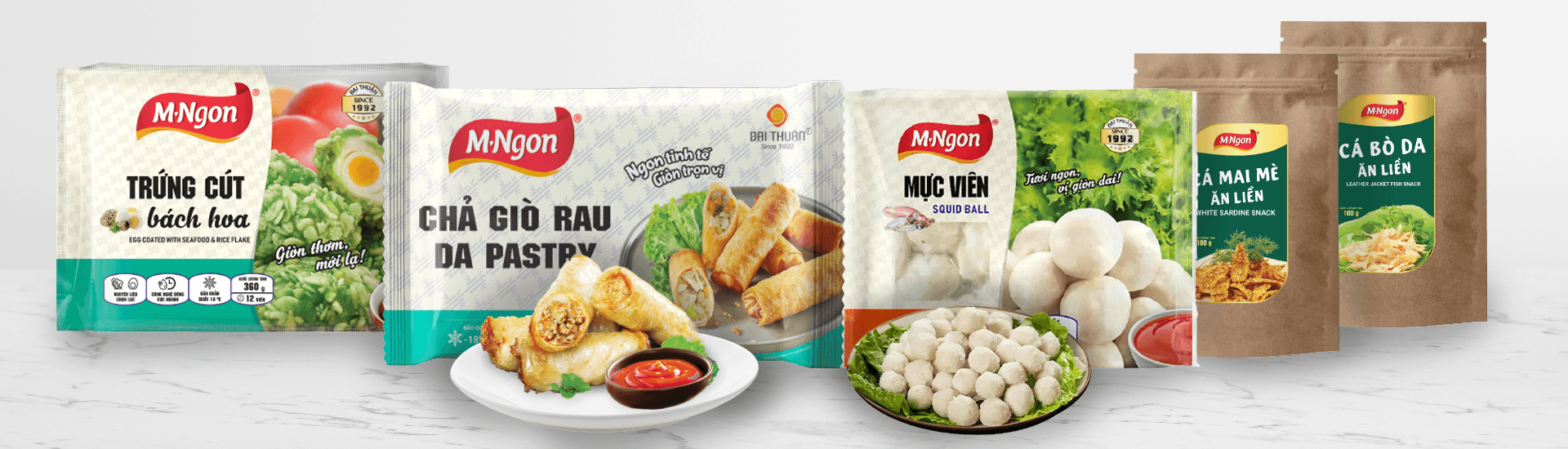
"Quality is the foundation of trust and serves as the guiding principle in every aspect of Dai Thuan Food’s operations."
For Dai Thuan Food, food safety extends beyond regulatory compliance, it represents a long-term commitment to public health and sustainable societal development.
From raw material selection to processing, packaging, and storage, Dai Thuan Food adheres to internationally recognized food safety management systems, such as ISO 22000 and HACCP. Additionally, the company implements rigorous controls throughout its operational processes to ensure consistent product quality, safety assurance, and complete traceability within the supply chain.
Every product manufactured by Dai Thuan Food reflects the company’s dedication to stringent quality standards, disciplined operational practices, and accountability to its consumers. Through this commitment, the company aims to deliver food products that are safe, reliably consistent in quality, and aligned with the increasingly sophisticated demands of modern markets.
In addition to its manufacturing and business activities, Dai Thuan Food actively promotes sustainable values by creating employment opportunities for local communities and supporting initiatives in education, healthcare, and community development.
Dai Thuan Food believes that sustainable value is built on consistent operational standards, responsibility at every stage of production, and trust fostered with partners and communities - ensuring that the richness of Vietnamese culinary heritage continues to evolve and flourish under internationally recognized standards.
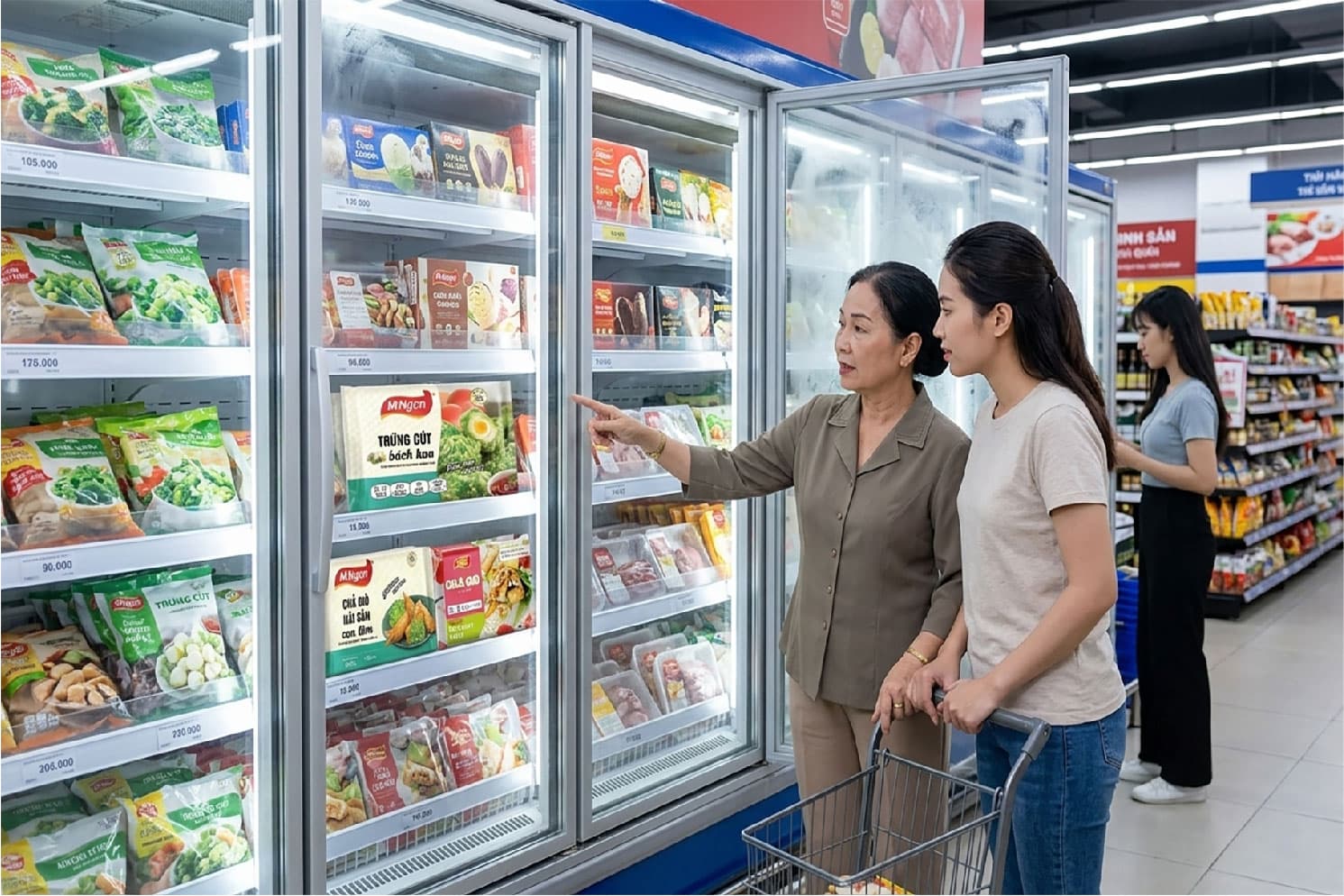
Quality is not just an operational commitment; it is a fundamental principle woven into every aspect of Dai Thuan Food’s business. From the careful selection of raw materials to processing and storage, each stage undergoes strict quality control measures to ensure product consistency, safety, and reliability.
In both domestic and export markets, Dai Thuan Food implements production and quality assurance standards that meet the specific requirements of its partners as well as the regulatory frameworks of individual countries. This approach lays a solid foundation for developing products that not only address local consumer preferences but also fulfill the quality expectations, market demands, and unique characteristics of each region.
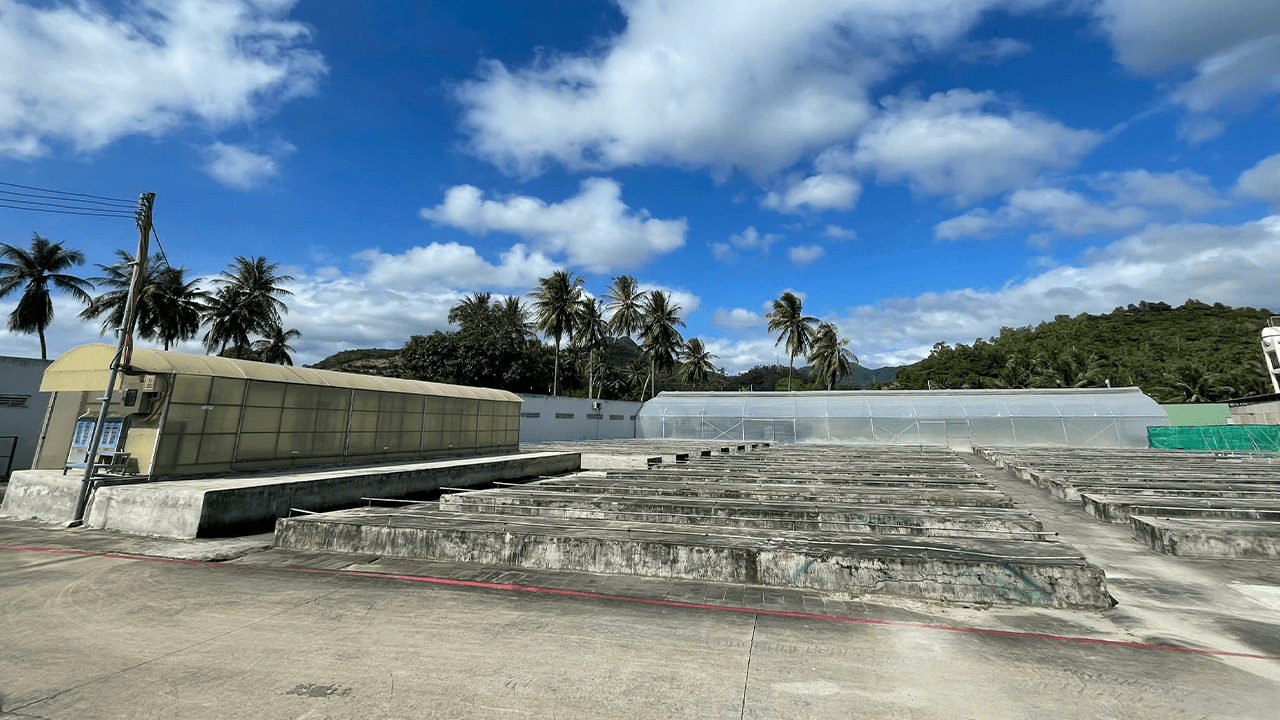
The environment is an invaluable asset shared by all humanity, and its protection is a responsibility that belongs to every individual and organisation. Guided by this principle, Dai Thuan Food remains committed to integrating environmental responsibility into its manufacturing and business operations. All activities are conducted in strict compliance with environmental legislation and regulations, ensuring full adherence to the requirements, permits, and standards established by the relevant regulatory authorities.
Waste treatment systems, as well as measures to control noise, vibration, and other environmental impacts, are carefully managed and continuously monitored to maintain a safe production environment and ensure compliance with applicable environmental requirements. In addition, Dai Thuan Food places strong emphasis on the efficient use of energy and resources, striving to achieve a sustainable balance between operational performance and environmental stewardship. Through responsible practices and continuous improvement, we are committed to supporting long-term sustainability for both our business and the communities we serve.
Over the past three decades, Dai Thuan Food has developed a team of highly skilled, experienced, and dedicated professionals. Our employees are central to our success, significantly contributing to product quality, brand reputation, and the strong foundation that supports the company’s sustainable growth.
At Dai Thuan Food, we believe that the success of the business goes hand in hand with the growth and well-being of our employees. As such, we continuously invest in professional development, skills enhancement, and employee training programmes, while fostering a stable, supportive, and inclusive working environment backed by practical and employee-focused policies. These efforts enable our people to maximise their potential, develop their careers, and build long-term relationships with the company. We strongly believe that when employees are valued, respected, and empowered to grow, they become a driving force behind the company’s ongoing progress and long-term success.
Dai Thuan Food is dedicated to creating positive and lasting value for the wider community through meaningful contributions that go beyond our manufacturing and business operations. We believe that sustainable business growth is not solely based on commercial success; it also requires a genuine commitment to supporting society, especially during times when solidarity, compassion, and collective action are essential.
At Dai Thuan Food, community support is not seen as a short-term initiative or an occasional obligation; it is a core aspect of our corporate culture. We aim to make a positive impact by delivering high-quality food products and providing a stable, supportive working environment for our employees. Additionally, we actively participate in social and community-focused initiatives to enhance the well-being of the communities we serve and create meaningful value.